Home security ranks high on the priority list for many Queensland residents, reflecting the region’s diverse and fluctuating property issues across its various suburbs. In Brisbane, the state’s bustling capital, this concern is magnified due to its complex urban tapestry, interweaving densely populated city areas with quieter, suburban outskirts. Each of these areas brings its own set of security challenges and demands, making the choice of an appropriate home alarm system not just a matter of preference but a crucial decision impacting the safety and well-being of families and their properties.
The significance of securing one’s home in Brisbane cannot be understated. The city’s vibrant lifestyle and growing population have, unfortunately, also attracted varying degrees of criminal activity, ranging from petty thefts to more serious burglaries and home invasions. These risks underscore the need for a robust security system capable of deterring potential intruders and providing immediate alerts in case of an actual breach.
Moreover, Brisbane’s climatic conditions, including its susceptibility to extreme weather events like storms and floods, add another layer of consideration for homeowners when selecting an alarm system Brisbane. Features such as durability in the face of harsh weather and the ability to function during power outages become critically important, ensuring that homes remain protected under all circumstances.
This comprehensive guide is designed to walk Brisbane residents through the intricate process of identifying the most suitable alarm system for their homes. From evaluating the specific security risks associated with different Brisbane suburbs to understanding the technological nuances of various alarm systems, the guide aims to equip homeowners with the knowledge they need to make informed decisions. Additionally, it will cover the critical aspects of installation and ongoing maintenance, ensuring that the chosen system remains effective over time, thereby offering continuous peace of mind and enhanced safety for you and your loved ones.
Navigating the complexities of home security in Brisbane demands a thoughtful approach, one that balances the technological capabilities of modern alarm systems with the unique characteristics and requirements of individual homes and neighborhoods. Through this guide, residents will gain the insights needed to secure their properties effectively, ensuring that their sanctuary remains a safe haven amidst the bustling city life of Queensland’s capital.
Understanding the Brisbane Context
Brisbane’s demographic and geographic diversity means that the security needs can significantly vary from one area to another. While some regions may necessitate more robust security measures due to higher crime rates, others might require only basic systems. Understanding your local area’s specific needs is the first step in choosing the right alarm system Gold Coast. Local police reports and neighborhood discussions can offer insights into the types of crimes most common in your area, whether they be burglaries, home invasions, or vandalism.
Types of Alarm Systems
Alarm systems come in a variety of configurations, each with its own set of features and levels of protection. The most common types include:
- Monitored Alarm Systems: These systems are connected to a monitoring center that alerts your security company and, if necessary, local law enforcement when the alarm is triggered.
- Unmonitored Alarm Systems: Also known as local alarm systems, they rely on loud sirens and flashing lights to alert neighbors and deter intruders in the absence of a monitoring service.
- Wireless Alarm Systems: These systems offer flexibility and ease of installation, making them ideal for both homeowners and renters in Brisbane.
- Wired Alarm Systems: Although they require more complex installation, wired systems are known for their reliability and are often used in larger properties.
Key Features to Consider
When selecting an alarm system for your home in Brisbane, consider the following features to ensure comprehensive protection:
- Motion Sensors: To detect any movement within or around your property.
- Door and Window Sensors: To alert you if doors or windows are opened unexpectedly.
- High-Decibel Alarms: Loud enough to be heard by neighbors and to scare off intruders.
- Surveillance Cameras: For real-time monitoring and evidence collection.
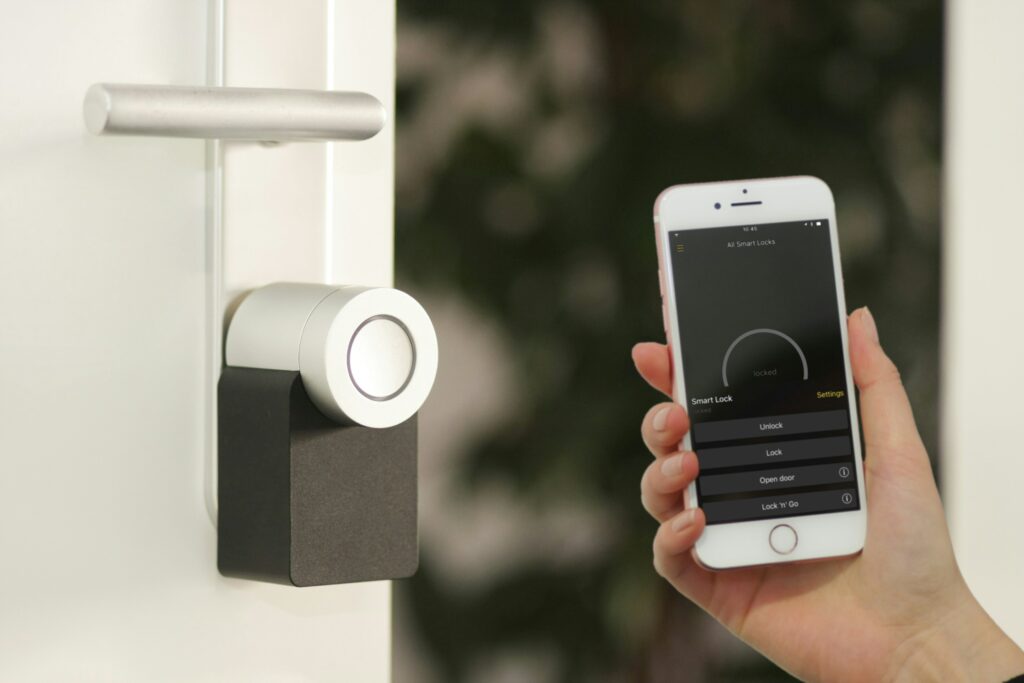
- Smart Home Integration: This allows you to control your system remotely via a smartphone app.
Installation and Maintenance
While some homeowners may opt for a DIY installation, professional installation is recommended to ensure that all components of your alarm system are correctly set up and fully operational. Most companies offering alarm systems in Brisbane provide installation services, often accompanied by a walkthrough of your home to identify potential security weak points.
Regular maintenance is crucial to ensuring your alarm system remains effective over time. This includes checking battery levels, ensuring all sensors and CCTV camera Brisbane are functioning correctly, and updating any software associated with smart alarm systems.
Choosing a Provider
Selecting the right provider is as important as choosing the alarm system itself. Look for companies with a solid reputation in Brisbane, offering transparent pricing, reliable customer support, and comprehensive after-sales services. It’s advisable to get quotes from several providers and read reviews from other Queensland residents to make an informed decision.
Securing your home in Brisbane requires a thoughtful approach to selecting the right alarm system. By understanding your local area’s specific needs, familiarizing yourself with the types of systems available, and considering key features and professional installation, you can ensure your home is protected against potential threats. Remember, the goal of a home alarm system is not just to deter intruders but to provide peace of mind, knowing that your home and loved ones are safe.

 We live in a quick paced world. Time is moving quick and in spite of the comfort that innovation give, many people are not any more ready to discover time to clean their homes and organizations.